Momentum To An Idaho Stop
What?
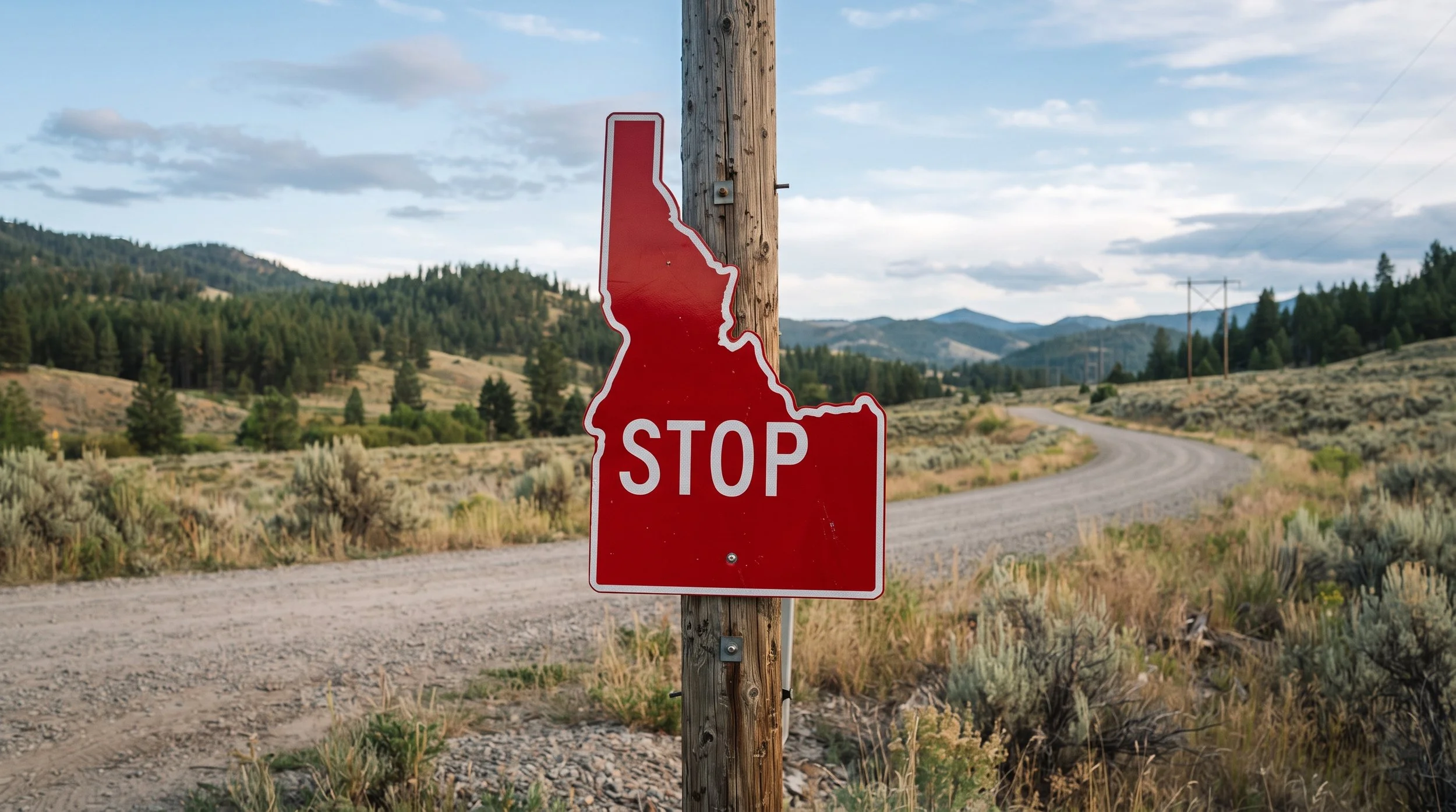
MOMENTUM TO AN IDAHO STOP by Corliss Buenavida
I touched upon this concept recently in my Summer Musings blog but now its time to give a full explanation to those who are not in the know.
What is an Idaho Stop.
Invented on the Salmon River in Idaho, it is a dizzying stand-still maneuver in which you sit cross-legged, holding your float handles while you lean forward pulling the back edge of your raft free of the water until you are angled up on the round edge of your float spinning over the current somewhat like a paddle wheel.
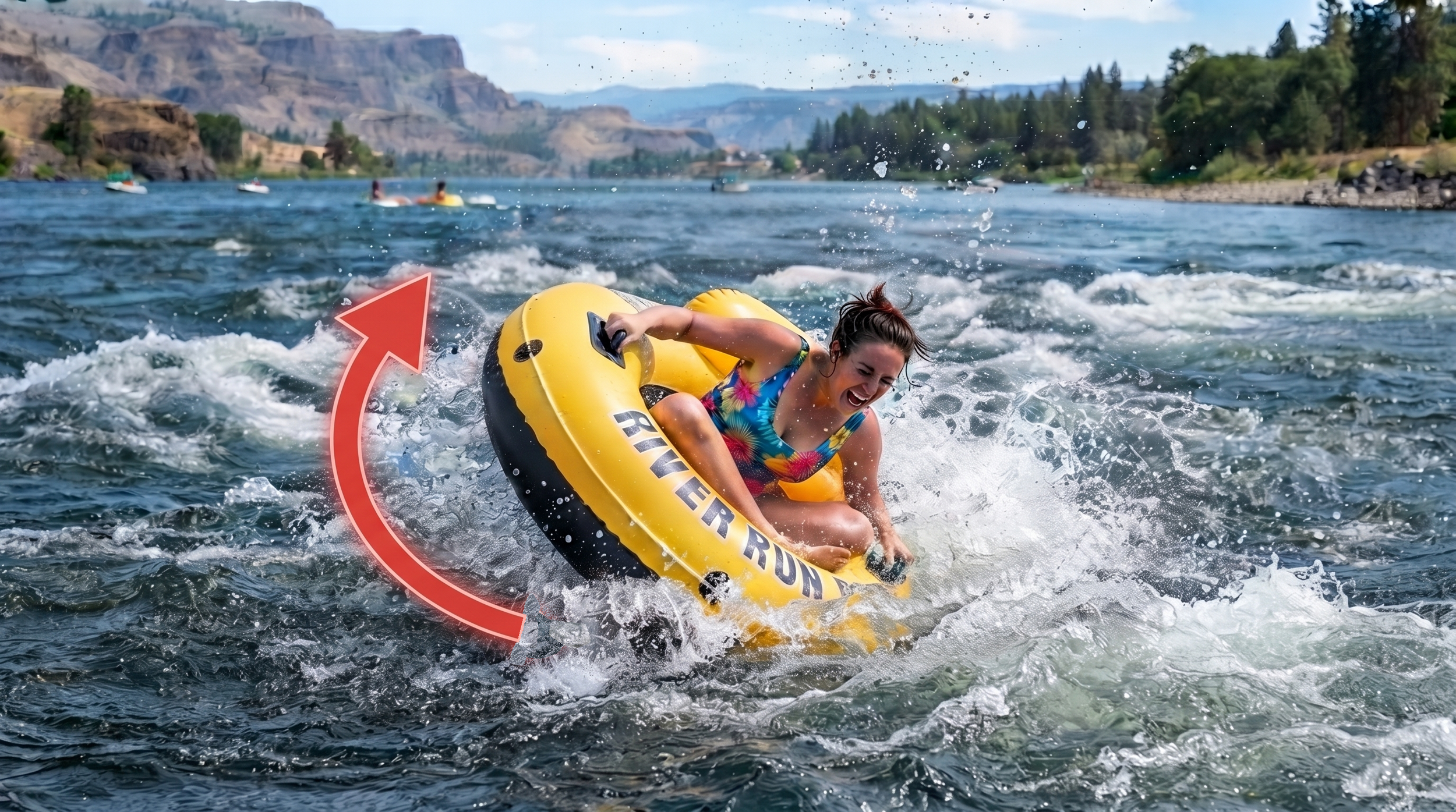
NO, IT’S NOT!!! That is total crap!
You can balance on the edge of a float, but it is very difficult and definitely not going to happen on moving water. Even on land it takes some practice.
You do hold on to a handle, but only one and not in a cross-legged position. From a standing position you place one foot about mid-way down from the top edge of your tube into the inner ring. If you have protruding handles wedge the inside of your foot against one of these. With your same-side hand grab the other handle and start leaning towards the foot hold side of the tube lifting the handle away from the ground to about a 45-degree angle. Your free arm is used for balance as will be your other leg once you get to a position where you feel you can lift it off the ground. It will take a few tries!
A typical vinyl device is too soft for a true balanced position on the outer edge of your craft; it is more likely to flatten out actually making keeping your balance easier. With a stronger rubber tube, fully inflated you can actually get up into your circus pose but doing this on water, let alone moving water is not going to happen unless your last name is Wallenda!

Hmmm, I’ll have to add this to my beerfloat yoga routine.
There is another 45-degree balancing position that can be done on water, and it does have to be moving water.
It is using a standing wave to delay your flow downstream much like surfers use standing waves for surfing on rivers as mentioned in my recent La Chute blog. Unlike a surfer you will face the other direction and this is definitely not a stop; you will be getting bounced around on the fast-moving water but in a pseudo-stationary position. This is only possible on big whitewater where the standing wave is large enough to support your whole tube on the downstream upward slope so if you are going to try this, please wear a life jacket and helmet and have someone down stream who can collect your float when you go for your inevitable tumble into the roiling waters.
Entering the standing wave is often the most difficult part. If the waterway is narrow with a ledge close to the wave you might be able to jump in as surfers do. In more open water you can be towed in with a rope, but the most common and easiest technique is to just float into position. To control any floating device in moving water you either have to move faster than the current or slower than the current. For a floater slow is the way to go.
Facing feet first down stream use frog leg kicks and backward sweep arm strokes to slow yourself and aim for the location of the standing wave. If you glide in there just right the wave will hold you in place but you will likely need to use your arms to avoid rotating on the wave. You should end up in a position similar to that of being on an aircraft on a steep take off.
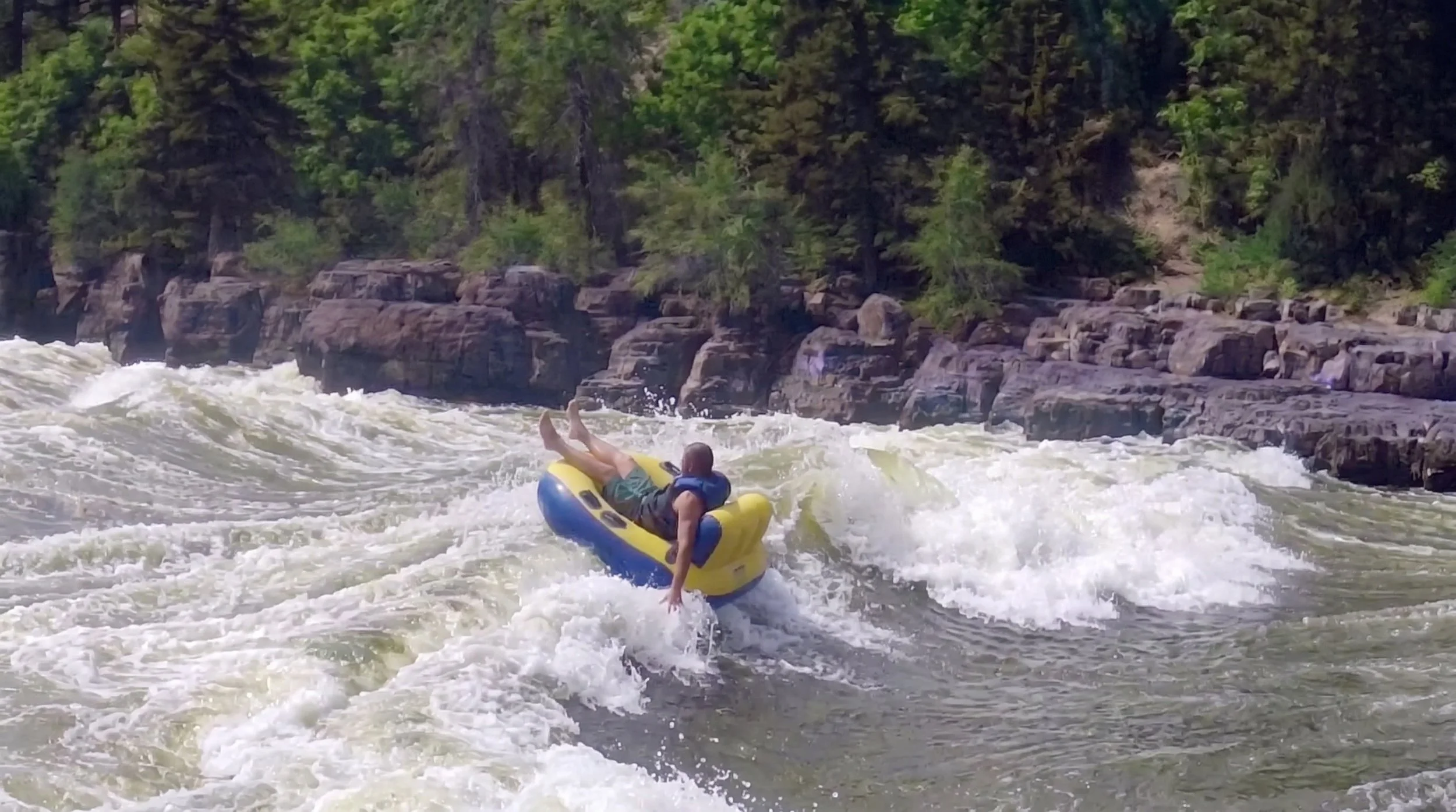
If your legs are not automatically raised out of the water, you will need to lift them now; otherwise, they will create a drag that will pull you downstream over the crest of your standing wave. Similarly, if your arms go too deep on the downslope of the standing wave, they may be caught by the current which will flip you over backwards. Believe me, it’s true!
If the standing wave doesn’t have a natural lateral flow moving you sideways to flatter water, where you will continue your ride downstream, then you will need an exit strategy. As mentioned earlier just dangling your feet back into the water is often enough to create the necessary drag effect but just be careful not to go over the front of your boat once you pass over the peak of the wave.
I wish you good luck in this thrill-seeking adventure but please be safe.
_________________
Now, back to the actual Idaho Stop.
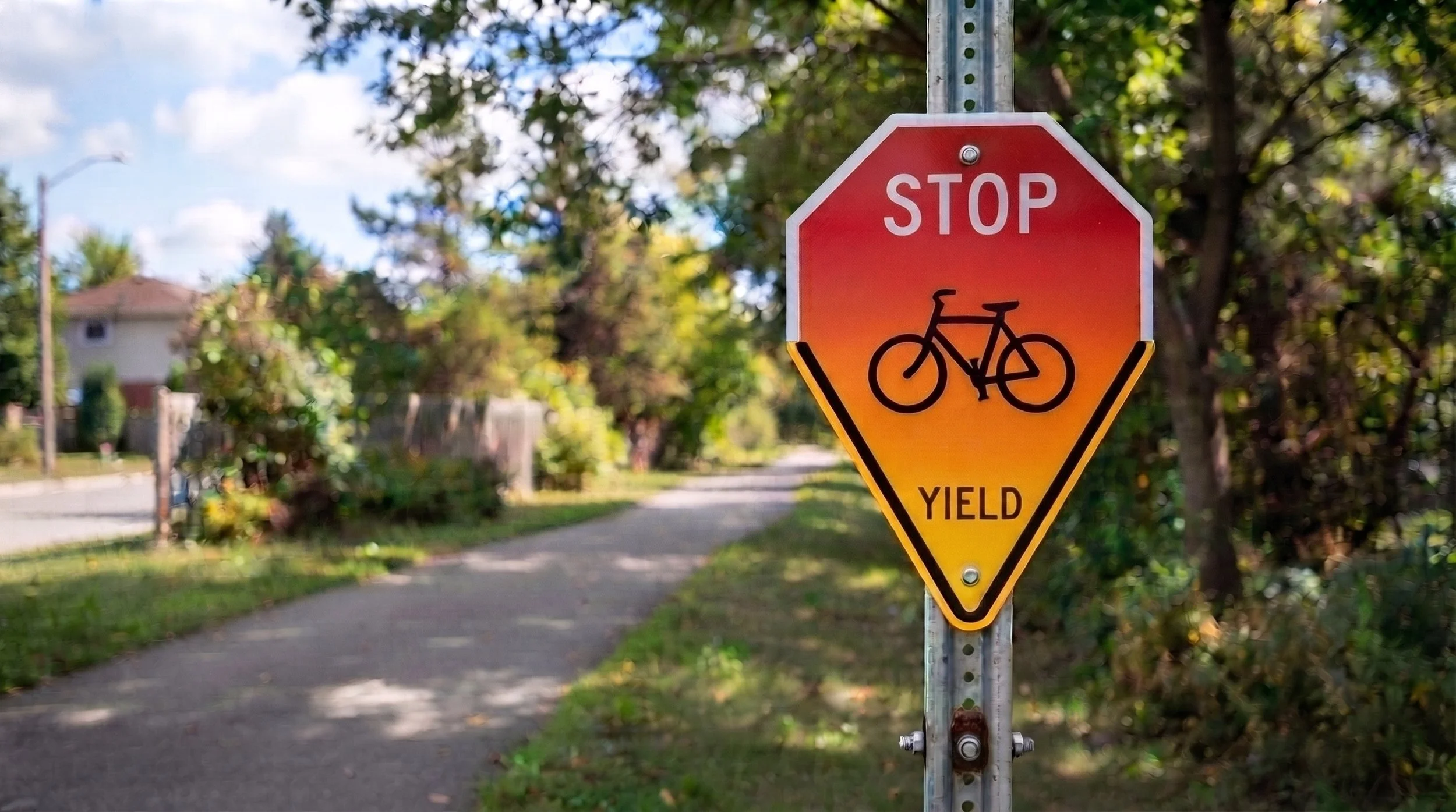
It was created in 1982 and is a law, for cyclists only, in which a Stop Sign and a Red Light have different meanings than they do for motor vehicles. The law allows riders to treat Stop signs as Yield signs and Red Lights as Stop signs. More on the details in a moment but this image shows the basics quite clearly.
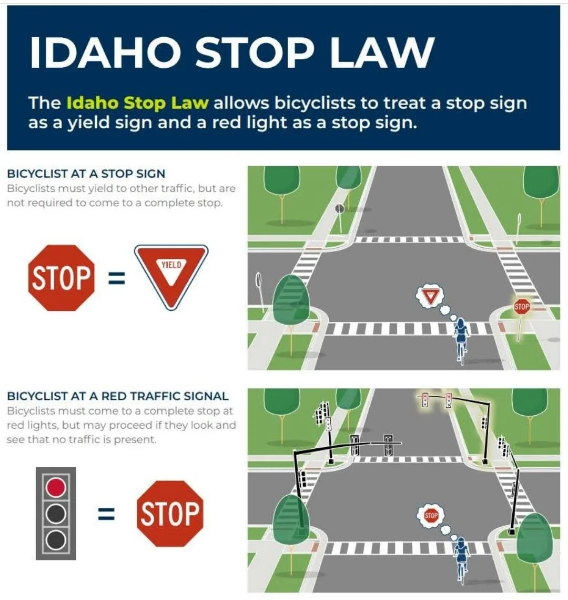
First, the name Idaho Stop comes from California. Yeah, I know that sounds weird, but Idaho enacted a “Roll-and-go” law for cyclists first, so when people in the San Francisco area were investigating adopting a similar law, they started referring to it as the “Idaho Stop.” Get it?
The reason the law came to pass in the first place was to alleviate a cluttering of the court system caused by technical violations of traffic control laws by bicyclists prior to a revision of old traffic codes.
It wasn’t until 35 years later that another state came on board with similar rules for cyclists. That was Delaware in 2017 however their law only applies to Stop signs while a Red Light still requires a cyclist to wait until the traffic light goes Green.
Since then, another twelve states have enacted their own versions with about half including the Idaho Red Light option. In all only 14% of the USA population has access to some form of these momentum saving rules for bikes while in Canada nobody does yet.
In Europe, both Belgium and France have had variations of the same concept for about 15 years while other nations have some laws in place, just not at a federal level. In Asia and in particular Japan, bike riders must obey the same traffic rules as vehicles with tight enforcement utilizing a "blue ticket" fine system. In my usual winter playground, Nicaragua, and many other low- and middle-income countries, cars rarely stop at Stop Signs, if they even exist, so I’m quite sure bikes follow suit.
The Idaho Stop law makes sense to me and I’m all for it!
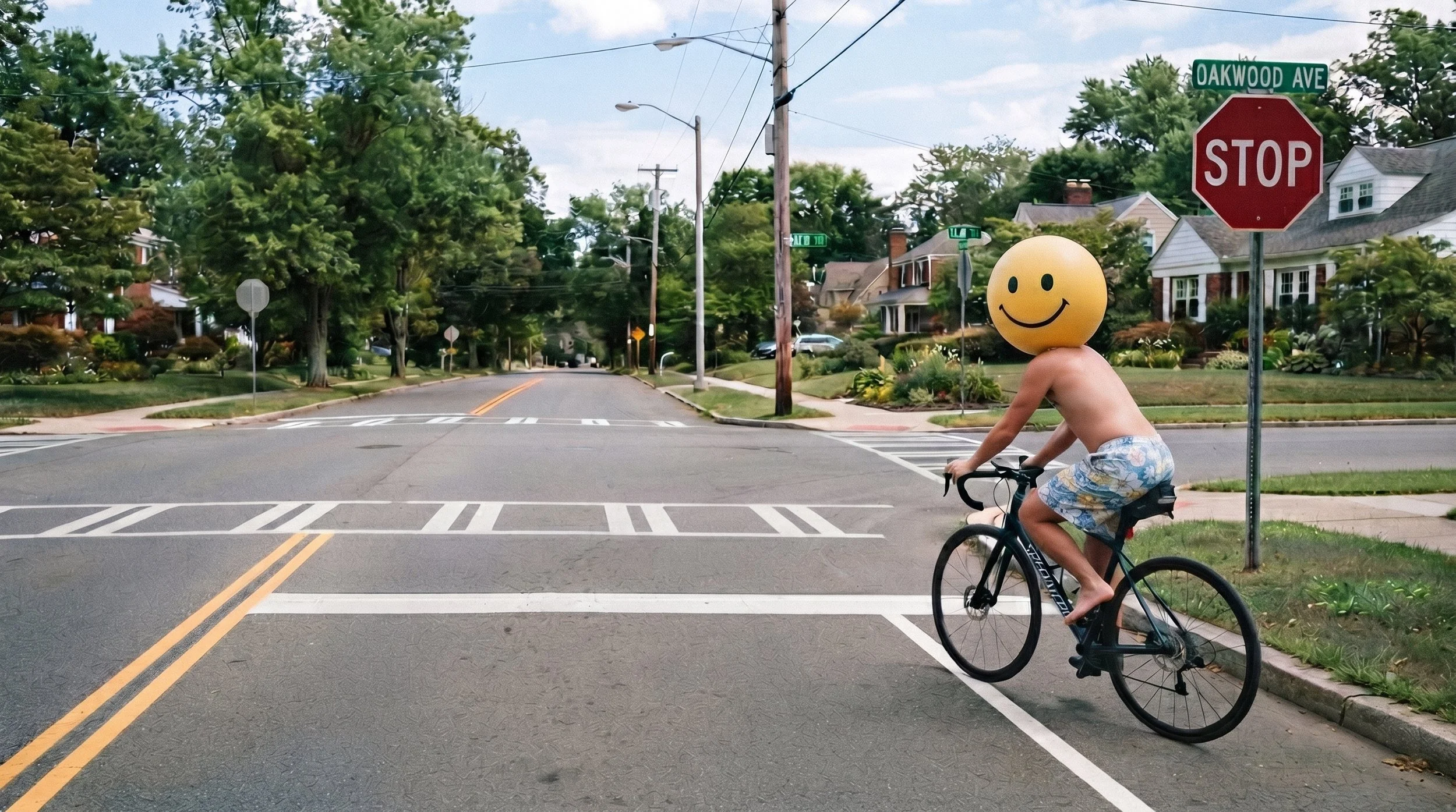
Modern reasoning for this law includes cost efficiency in construction at intersections as ‘in road sensors’ are notoriously bad at detecting bicycles, leaving a rider waiting at a red light forever or until a larger vehicle shows up. Advocates say it leads to fewer severe crashes however that is based on limited testing backing up this theory. Also, by creating swifter commute opportunities and with more conservation of a rider’s energy cyclists are more apt to make riding their chosen method for commuting meaning fewer vehicles on the road.
Opponents argue that ambiguous laws are confusing to children, but from what I’ve seen most adults are already teaching their kids cycling behaviours contrary to existing laws. Perhaps actual rules and an education program to go with the launch will get a generation heading in the right direction.
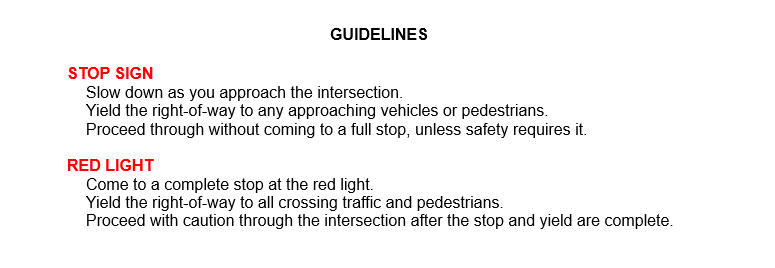
So, what are the actual guidelines a cyclist must follow?
Cyclists sharing roadways with vehicles brings up safety issues. I’m sure you have seen riders weaving back and forth as they start to apply pressure to their pedals from a dead stop. With better use of one’s gears this concern can be somewhat alleviated, but momentum works too.
Also, if a bike moves through an intersection faster and without wobbling a car can get through the intersection quicker too, in a manner not dissimilar to a roundabout.
Of course, just as riders are already ignoring existing rules some will continue to do so. They will continue to ride down one-way streets in the wrong direction. They will continue to ride on the wrong side of the road, and they will continue to go through Red Lights without stopping or yielding to those who have the right of way.
I have two last thoughts on intersection behaviour.
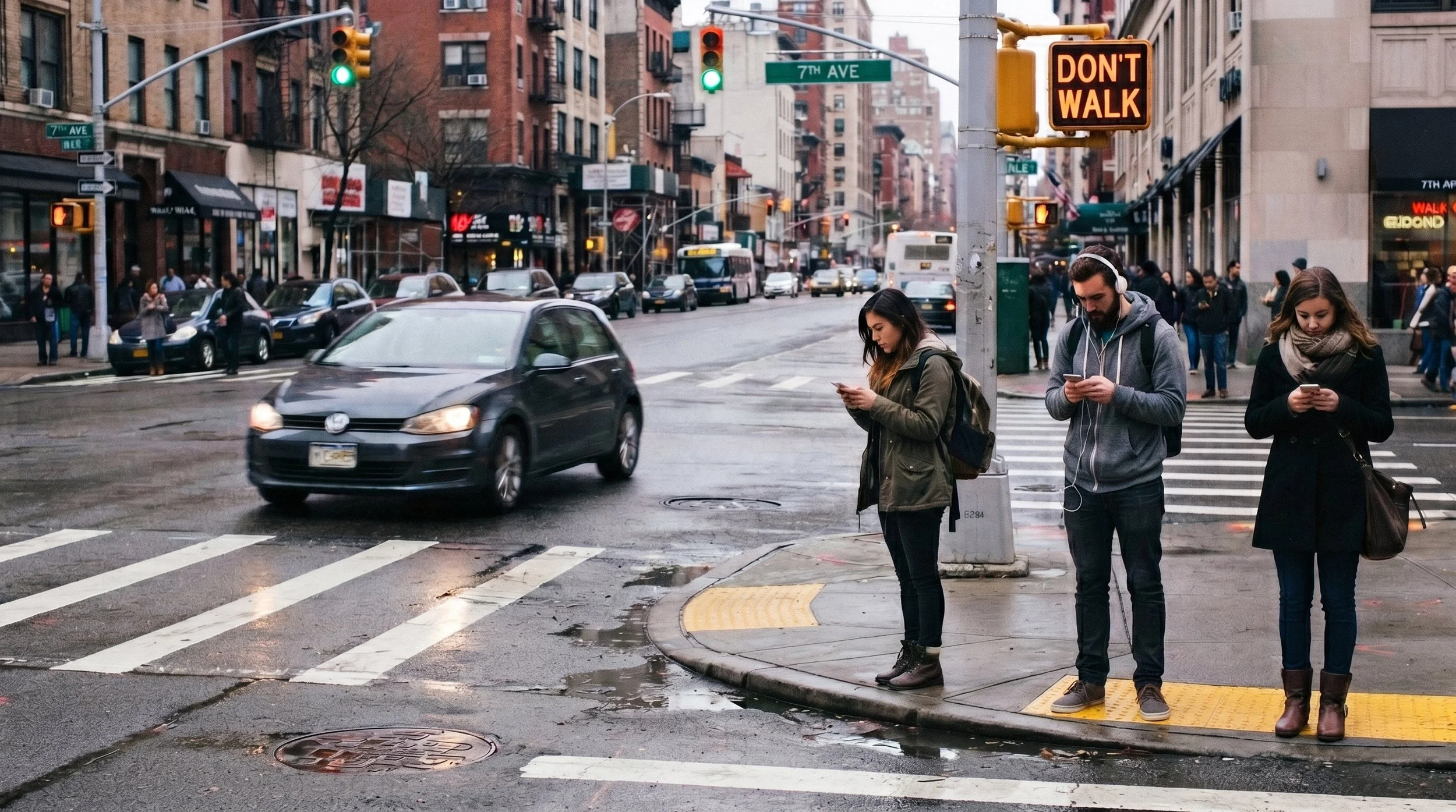
First; young pedestrians at Stop Lights.
On multiple occasions I have seen young people waiting at stop lights and not pushing the button to activate the crosswalk sequence which I believe is because they’ve had everything done for them in their lives and they don’t know how to do anything for themselves. It’s the ‘spoiled and entitled generation’. They will stand there waiting and expecting the light will just switch for them because everything is always done for them – crazy!
I am just stunned every time I watch while the traffic lights go through their entire sequence without lighting the ‘Walk’ symbol because the intersection does not know a pedestrian is there merely because that pedestrian did not lift an arm.
I should correct myself; they didn’t lift their arm from their phone.
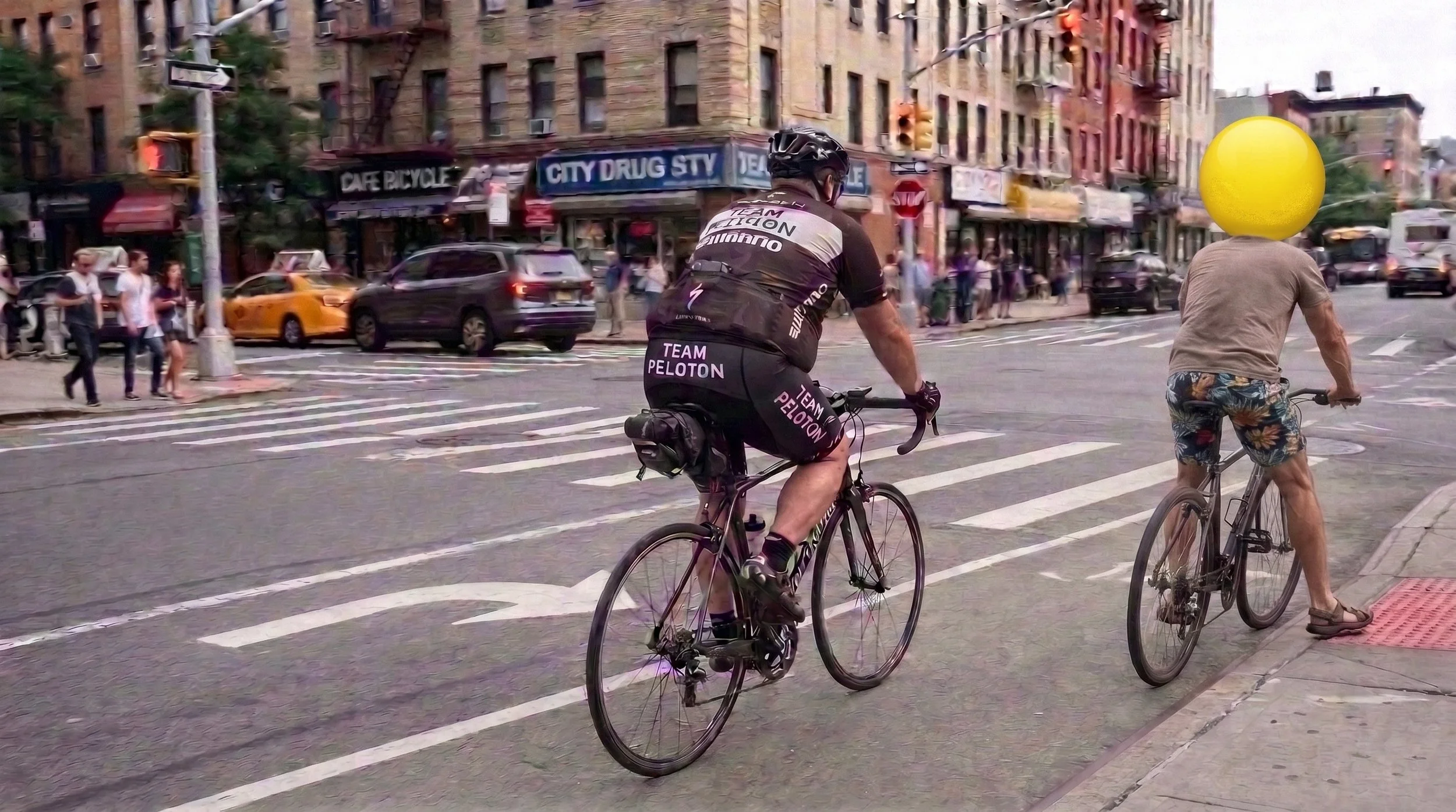
This final thought is for cyclists who appear to be riding for exercise, especially those ‘ride once a week’ fat guys. Yes, you want to keep going when you get to a red light or stop sign because you want to keep your heart rate up, yada, yada. However, if you use the Idaho Stop rules correctly and treat a Stop like a Yield and a Red Light like a Stop Sign you can get an even better workout.
And what’s the deal with the skintight jersey? You are obviously not a racer! Shouldn’t you be wearing a loose-fitting air catching garment which will cause more wind resistance to help burn more calories? Stop wearing that; and stop going through Red Lights. The momentum of cheating your way through an intersection is less challenging than stopping and starting, so if you want that ride to make you a fitter person, fit into the rules and don’t cheat your body out of better training.
If you like the idea of an Idaho Stop law in your neck of the woods, send messages to your local politicians. Heck, forward them this blog! Getting it done, is in the balance.
And speaking of balance, if you like the idea of tubing a standing wave, don’t make it a beer float, save that for the ‘Après Float’!
Corliss
beer float.calm =beerfloat.netnot beerfloat.com